Cooling and Heating Companies Near Me: Comparing Services and Prices
Cooling and Heating Companies Near Me: Comparing Services and Prices
Blog Article
Having a well-functioning HVAC system is key to ensuring comfort in your home or workplace during temperature variations. HVAC stands for Heating, Ventilation, and Air Conditioning, and it includes a comprehensive set of services designed to maintain optimal indoor conditions. Whether you require installation, ongoing maintenance, or emergency repair services, being informed about these options can greatly aid in selecting the right expert assistance. For more personalized HVAC solutions tailored to your situation, you can contact us for additional details at the official site. In this article, we will look at the range of HVAC services you could need, tips on how to select an HVAC contractor, and insights into related costs. By the conclusion, you’ll be equipped with a better understanding of how to manage your heating and cooling needs, ensuring your indoor spaces remain comfortable year-round. HVAC services encompass a broad spectrum of activities necessary to ensure both air quality and thermal comfort in settings like residences, corporate offices, and production facilities. These services typically fall into three primary categories: heating, ventilation, and air conditioning. Heating services may involve the installation or repair of furnaces, while air conditioning services can include installing, repairing, and maintaining cooling systems. Ventilation services, on the other hand, concentrate on improving the quality of air circulation within buildings and may consist of duct cleaning and air quality inspections. Qualified HVAC technicians are generally the ones who carry out these services, as they possess the specialized training required to work on complicated systems with accuracy. Routine maintenance of HVAC systems not only maximizes operational efficiency but also increases the durability of the equipment. By adopting a preventive approach, homeowners can avert significant expenses related to emergency repairs or system replacements. There are numerous types of HVAC systems available in the market today, which vary in design depending on the nature and structure of the spaces they are intended to serve. The most commonly used systems are central air conditioning, heat pumps, ductless mini-split systems, and traditional furnaces. Central air conditioning systems typically include ductwork that disperses conditioned air throughout the entire building. Heat pumps are efficient as they provide both heating and cooling functions, making them a versatile option. Meanwhile, ductless mini-split systems offer an energy-efficient solution with flexible temperature control capabilities for individual rooms. Furnaces serve the primary purpose of heating and can employ various fuel types, including gas, oil, and electric options. Knowing about the different types of HVAC systems can aid you in selecting the most suitable option for your residence. It is essential to select a trustworthy HVAC specialist to guarantee the effective installation and upkeep of your system. Start by seeking recommendations from your social circle or doing some research online to find reviews. Prioritize professionals who are licensed and insured, and who have demonstrated expertise in handling HVAC systems that match your specific needs. A reputable specialist should be able to provide contact information for previous clients and be open to addressing any inquiries you might have regarding their HVAC services. Confirm the contractor's qualifications and ensure compliance with local regulations and building codes. Obtain comprehensive quotes for services to prevent any unexpected costs; honest pricing is a key trait of credible contractors. Additionally, check if they provide maintenance plans that can help prolong the lifespan of your system. These plans can be incredibly beneficial, as regular inspections assist in averting expensive repairs and improving energy efficiency. The pricing for HVAC services varies greatly depending on several factors, such as how complex the installation is, the dimensions of your property, the specific type of HVAC system being installed or repaired, and your local area. Typically, the cost of having a new HVAC system installed can range from $3,000 to over $12,000, largely based on these considerations. These installation expenses usually encompass both the equipment costs and the labor needed to properly set up the system within your current infrastructure. For ongoing maintenance, prices generally range from $75 to $150, influenced by the details of the services performed. On top of that, repair expenses can extend from $100 to several hundred dollars, depending on the nature of the issue and which components are involved. When creating a budget for HVAC services, it’s important to include both the initial outlay and potential future savings from improved energy efficiency. Consistently high utility bills may suggest that an HVAC system upgrade or maintenance is necessary. For further financial planning insights, review HVAC services on HVAC, which presents essential information about cost factors and service alternatives.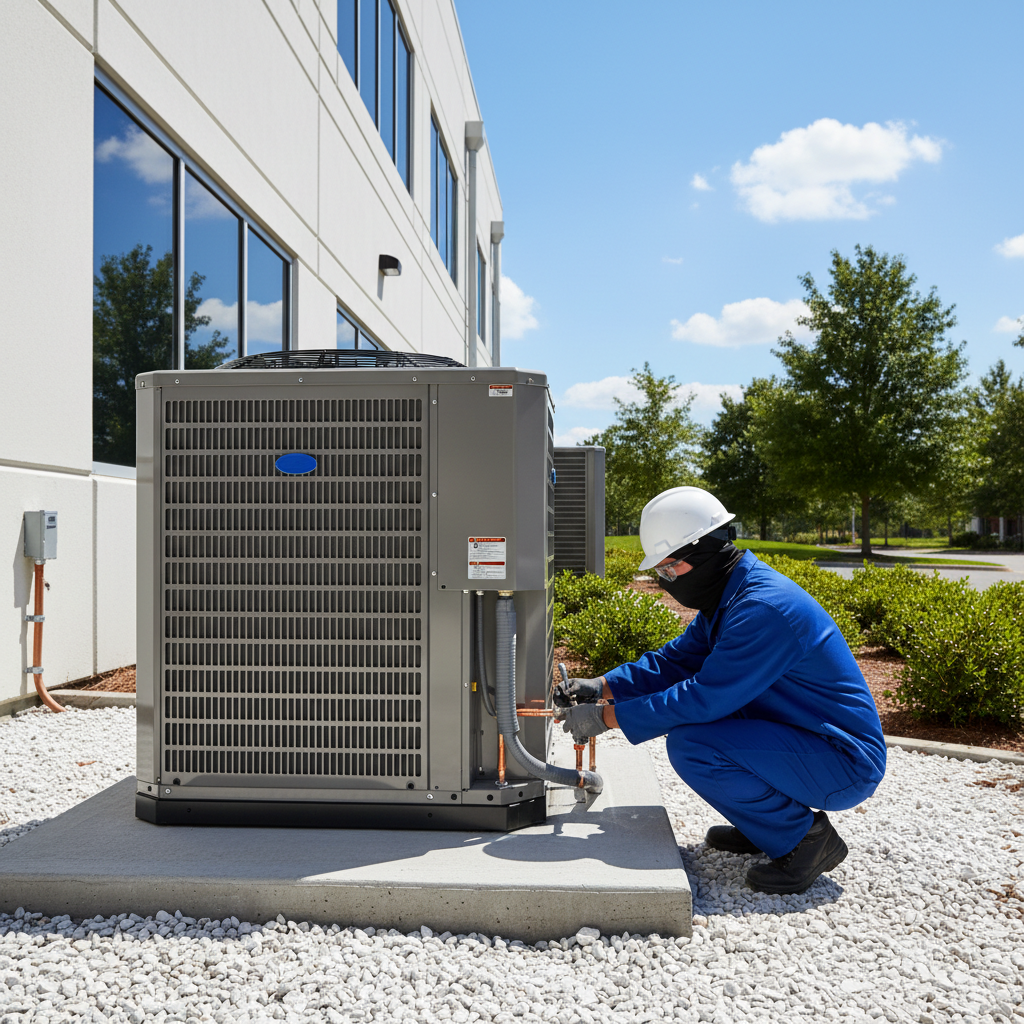 richardson top air conditioning servicesrichardson top air conditioning services guide
Understanding HVAC Services
Common HVAC Systems and Their Components
Finding the Right HVAC Specialist
Pricing for HVAC Services Explained
HVAC services
Tips for Selecting HVAC Services
Keeping your HVAC system in optimal condition requires careful attention to both routine maintenance and service provider selection.
- Research the best HVAC contractors in your area and check certifications.
- Ask for quotes from multiple contractors to ensure competitive pricing.
- Look for detailed customer reviews to help gauge service quality.
- Confirm the warranty conditions on new installations to avoid out-of-pocket expenses for repairs.
- Inquire about energy-efficient options to reduce long-term utility costs.
Steps for Effective HVAC Maintenance
- Schedule Seasonal Tune-Ups: Ensure your HVAC system operates efficiently by scheduling professional maintenance at the beginning of each season. This involves cleaning filters, checking for leaks, and inspecting all components.
- Change Air Filters Regularly: Replace filters every 1-3 months, depending on usage, to maintain optimal airflow and air quality. Dirty filters can strain your system, leading to higher energy costs.
- Keep Outdoor Units Clear: Ensure the area around your outdoor unit remains clear of debris, vegetation, and obstacles to promote proper airflow. This can help enhance cooling efficiency.
- Seal Ductwork: Inspect ductwork for leaks, as unsealed ducts can lead to significant energy loss. Consider using mastic sealant or foil tape to cover any identified gaps.
- Install a Programmable Thermostat: A programmable thermostat can help you manage your HVAC system effectively, reducing energy consumption during off-peak hours.
- Monitor and Address Odd Noises: Stay attentive to unusual sounds from your HVAC system, which can indicate a need for immediate repair to prevent more significant issues from arising.
Frequently asked questions
What is HVAC services?
HVAC services refer to the range of systems and solutions designed to manage heating, ventilation, and air conditioning for residential and commercial buildings, ensuring comfort and air quality.
How do I choose a HVAC services provider?
Choose an HVAC services provider by verifying credentials, seeking recommendations, comparing quotes, checking reviews, and assessing their experience with similar systems.
How much does HVAC services cost?
HVAC services costs vary depending on the services required, the type of system, and the complexity of installation, typically ranging from $75 to $12,000 for comprehensive services.
Grasping the significance of HVAC services is crucial for ensuring comfort within your living spaces. Choosing a skilled contractor and following proper maintenance routines can lead to an HVAC system that operates effectively all year long.
By implementing the right strategies, you can keep your home or workplace warm in the winter and pleasantly cool in the summer, all while utilizing energy wisely.